The time has come. We have exhausted our resources. We have given our very best effort. We have decided that it is in our patient’s best interests to pursue the path of comfort rather than continued intervention. We are now faced with the question that many of us are undertrained and uncomfortable to answer: how … Continue reading How can we help our dying patients?
Month: January 2020
How do you treat HIT?
On a recent post (When are you concerned about HIT?), we reviewed what you do when suspecting Heparin-induced thrombocytopenia (HIT). Recall, we talked about the mechanism, the clinical presentation, the risk factors, risk stratification and the workup. Pretty informative IMO. So as promised, here is part II, how do you treat HIT? Who do you treat? … Continue reading How do you treat HIT?
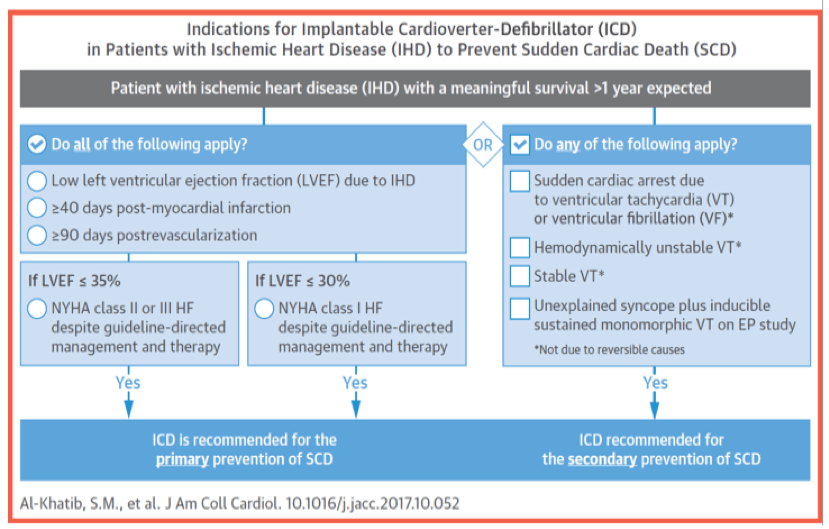
Who gets an AICD in ischemic cardiomyopathy?
A 56-year-old woman with a history of hypertension and COPD experiences a sharp chest pain and acute dyspnea. An emergency medical team was activated, was found to be in Ventricular Fibrillation and the VF was successfully defibrillated with an automatic external defibrillator. The patient was taken to a cardiac care unit by the emergency medical … Continue reading Who gets an AICD in ischemic cardiomyopathy?
How do you approach antibiotics in febrile neutropenia?
There are few oncologic emergencies that require an understanding of management at your fingertips. The approach to antibiotics for neutropenic fever is relatively simple so let's review, starting with some basics. DEFINITIONS What is defines 'Fever' and 'Neutropenia' in Neutropenic Fever? Fever ≥ 38.3 or ≥ 38 sustained over 1 hour period. Avoid axillary temperatures … Continue reading How do you approach antibiotics in febrile neutropenia?
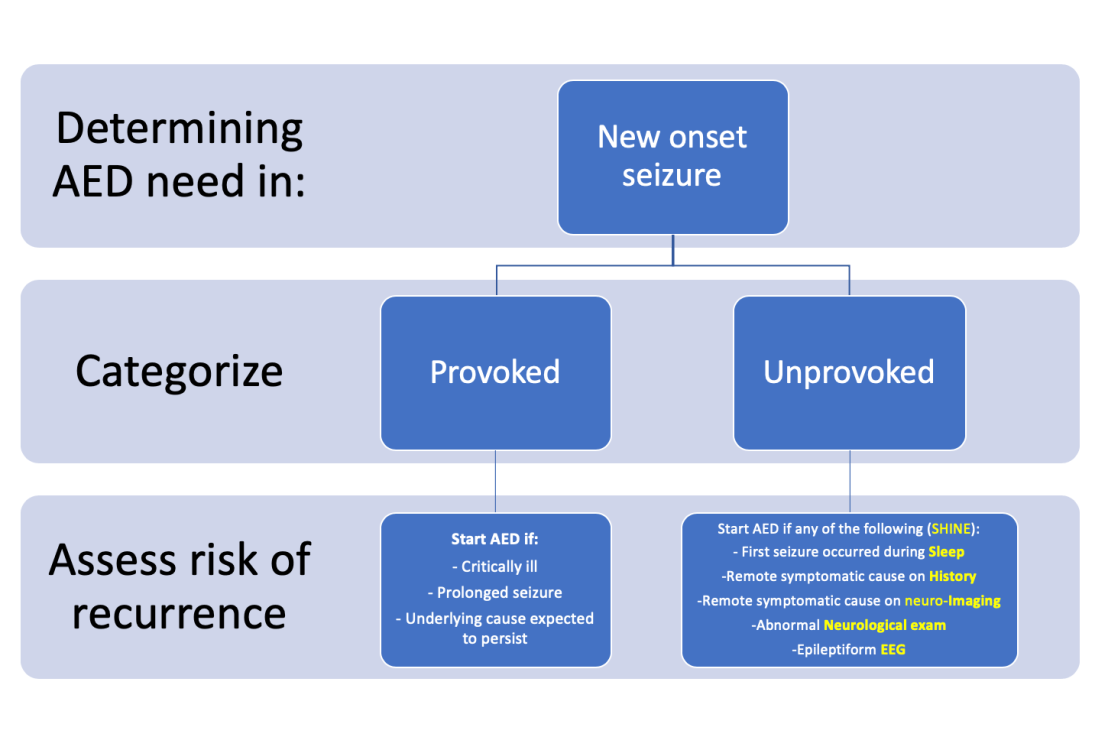
Do you start AEDs on a first time seizure?
A 36 y/o male with PMHx of IDDM is admitted to ICU for DKA and subsequently has a first time seizure. After resolution of what does appear to be a seizure and not a convulsive syncopal event, do you start this patient on an anti-epileptic drug (AED)? This answer is one of a few questions … Continue reading Do you start AEDs on a first time seizure?
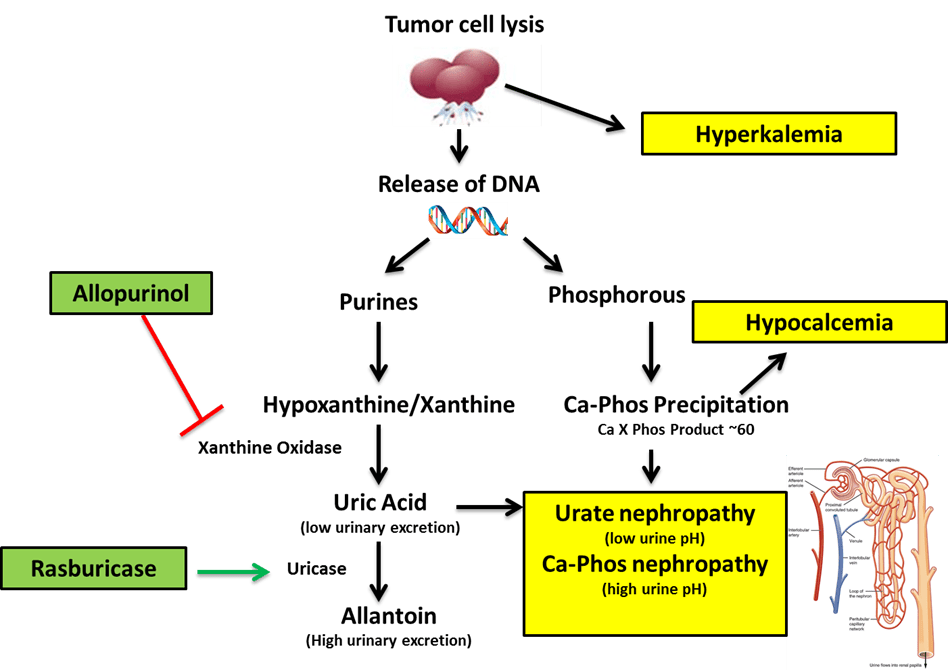
How do you approach TLS?
Tumor Lysis Syndrome (TLS) is one of the need-to-know oncologic life-threatening emergencies. Let us dive into a quick review of what you need-to-know. What is the pathophysiology of TLS? Destruction of tumor cells due to a high tumor cell proliferation rate / large tumor burden resulting in high cell turnover ratesdestruction from chemotherapy (usually within … Continue reading How do you approach TLS?
For PAD, what is the recommended antithrombotic therapy?
Before diving into the latest recommendations on antithrombotic therapy management of Peripheral Arterial Disease (PAD), a quick review: Diagnosis of Lower Extremity PAD The vascular testing work up varies based on whether they are symptomatic or asymptomatic.For Asymptomatic, use a formal Ankle-Branchial Index (ABI) to confirm (more Sn/Sp than a bedside ABI for assessing location … Continue reading For PAD, what is the recommended antithrombotic therapy?
When are you concerned about HIT?
You are reviewing your morning labs and the platelet count is awfully low. You start working through your differentials for thrombocytopenia and as you go through your list, you consider Heparin-induced thrombocytopenia (HIT). You glance over the medication administration record and there it is, your patient has been getting heparin. So should you be concerned … Continue reading When are you concerned about HIT?
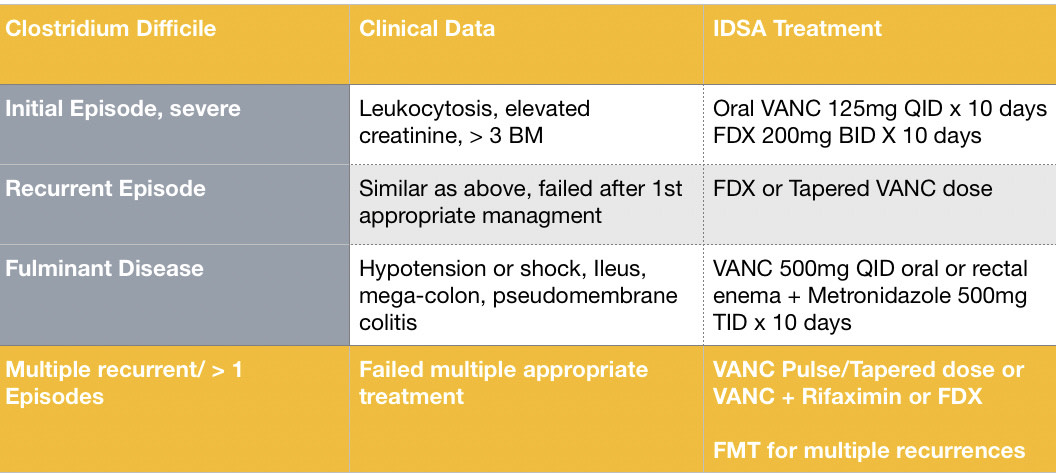
How do you manage C. Difficile Infections?
Diagnosis Q. When do you suspect a Clostridium Difficile Infection (CDI)? Symptoms of unexplained and new onset ≥3 unformed stools in 24 hours plus high clinical suspicion. ex. Recent use of certain antibiotics increases risk for CDIs. https://media.giphy.com/media/lOgyStVYDNPwqoonVG/giphy.gif Q. What is the best diagnostic test/method for C Difficile? Stool toxin + NAAT; GDH + toxin … Continue reading How do you manage C. Difficile Infections?
How are we managing CAP in 2019?
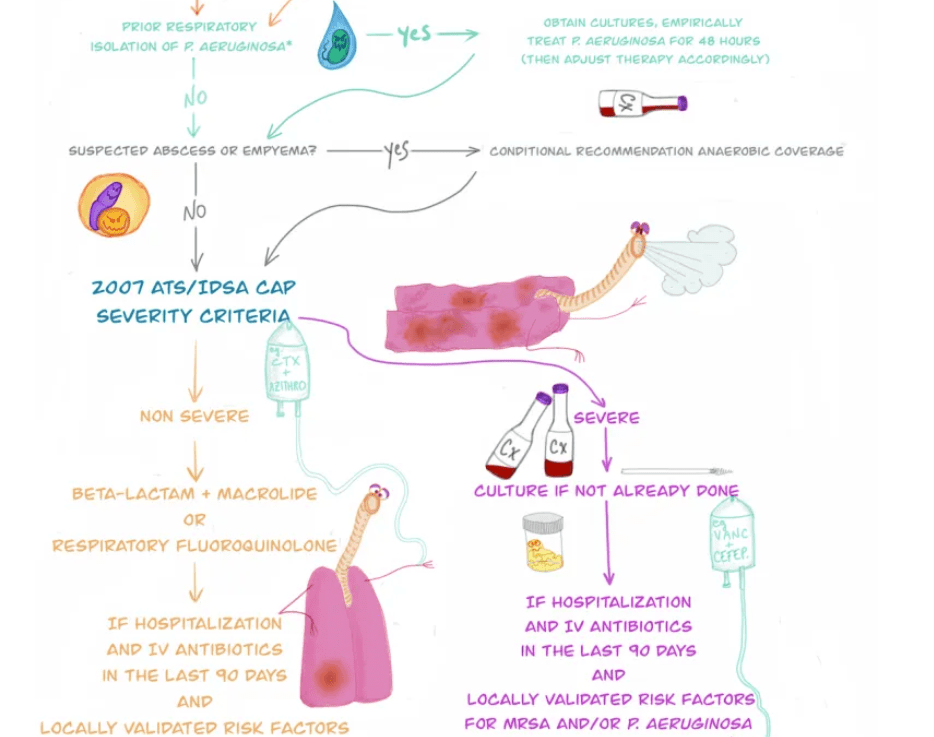
In 2019, the American Thoracic Society/Infectious Disease Society of America (ATS/IDSA) revised their guidelines towards the evaluation and management of Community Acquired Pneumonia (CAP). Regardless of the criticisms regarding the quality of evidence, there are quite a few recommendations I think are worth noting for my co-residents. Evaluation First, recall 2007 recommendations on classifying CAP … Continue reading How are we managing CAP in 2019?